
Why AI Doesn't Scare Us: The Human Side of Landscape Design
Artificial intelligence is changing the way we imagine, create and interact with design. From generating architectural renderings in seconds to visualizing entirely new landscapes with a few simple prompts, AI has opened the door to a world of creative possibilities.
And as landscape designers at Contexto, we're excited about it.
At Context Landscape Design + Build, we believe good design begins long before the first sketch, rendering or planting plan. It begins with curiosity, observation and a willingness to listen. To the land, to the people who inhabit it and to the story that connects them.
AI is an incredible tool, but it's just that: a tool. And like any tool, its value comes from the knowledge, creativity and intention of the person using it.
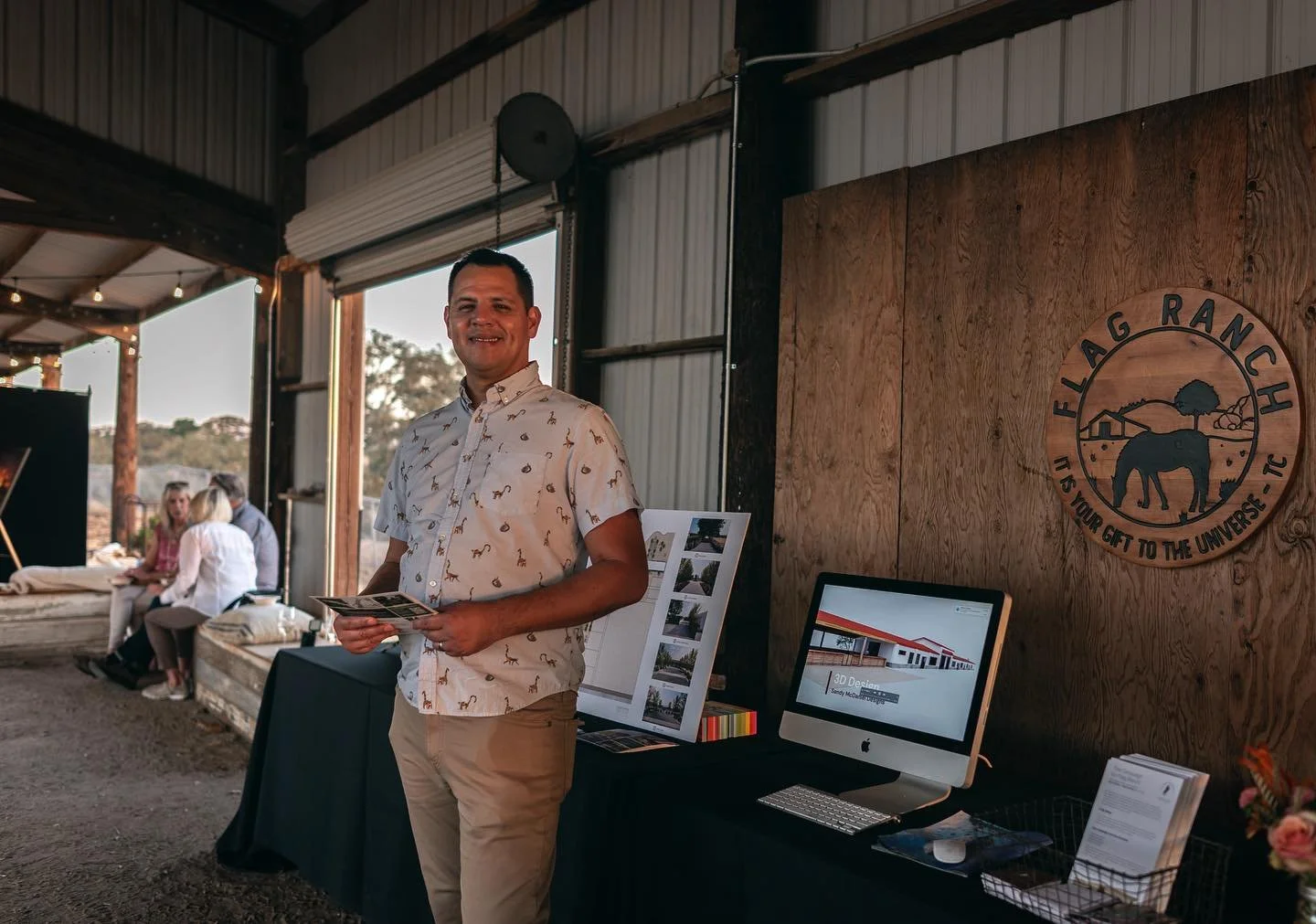
Contexto’s design team excels in presentations and discussions that involve a variety of stakeholders and clients! It all begins with a conversation. Using the latest technology to show a design's story and intent opens the floor for discussion and gathering feedback, which is crucial for creating a beautiful and functional design.
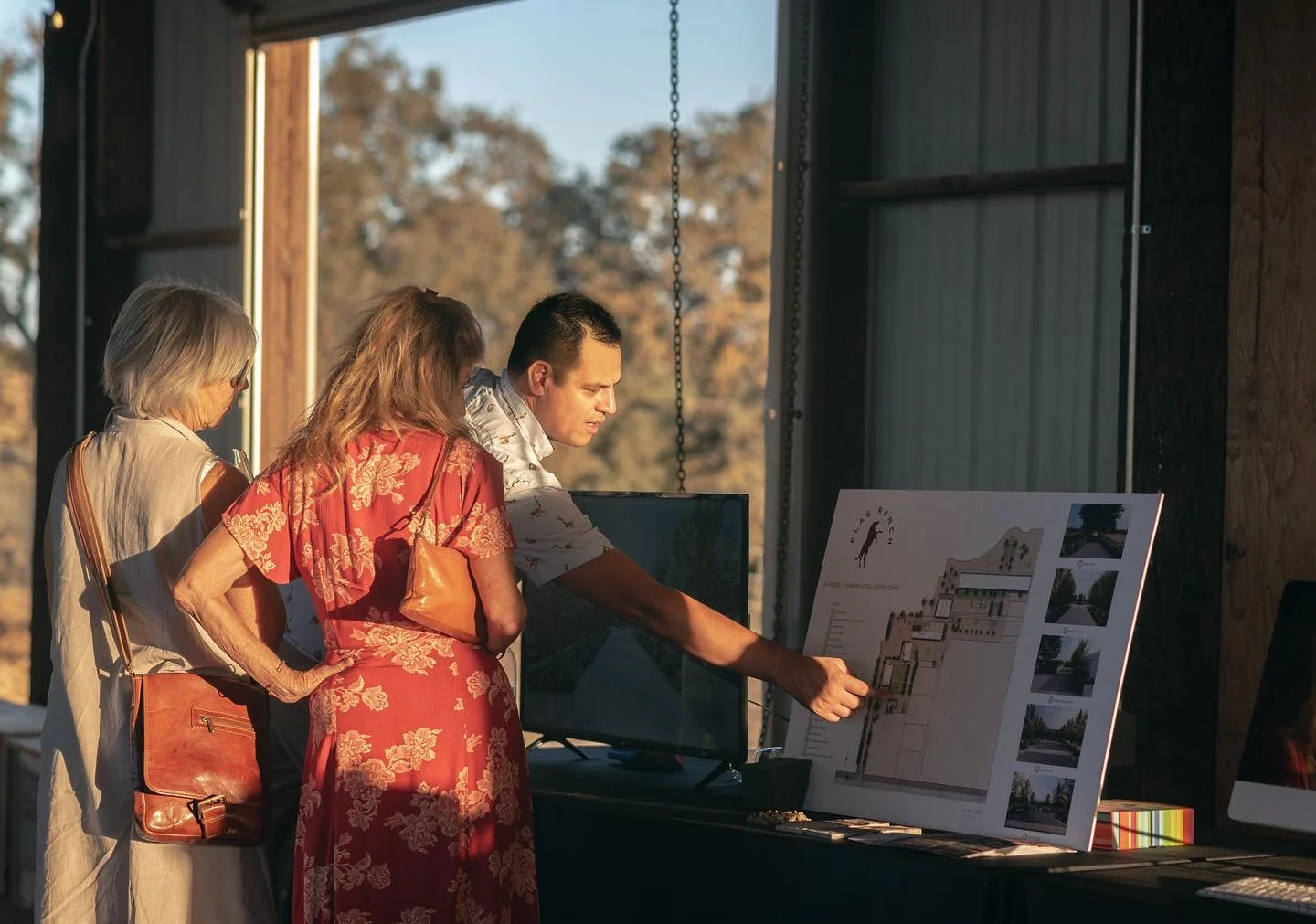
Enrique walks through the design intent and site characteristics of an upcoming project.
Design Begins With Understanding, Not an Image
It's easy to be captivated by a beautiful AI-generated landscape. Lush gardens, perfectly placed trees, inviting outdoor living spaces and seamless architectural connections can appear in seconds.
But what makes a landscape truly successful?
Is it how beautiful it looks in a rendering? Or is it how naturally it belongs to its surroundings, how effortlessly it functions and how thoughtfully it responds to the people who use it?
We believe it's all of those things, and more.
Every site has a story. Its topography, soil, microclimate, sun exposure, existing vegetation and surrounding architecture all influence what is possible. Here on California's Central Coast, the relationship between land, climate and lifestyle is especially important.
Understanding these elements requires more than visual inspiration. It requires walking the property, observing how light moves throughout the day, understanding how water flows across the land and listening to how clients envision living in their outdoor spaces.
These observations form the foundation of a design that doesn't simply look beautiful but feels like it belongs.
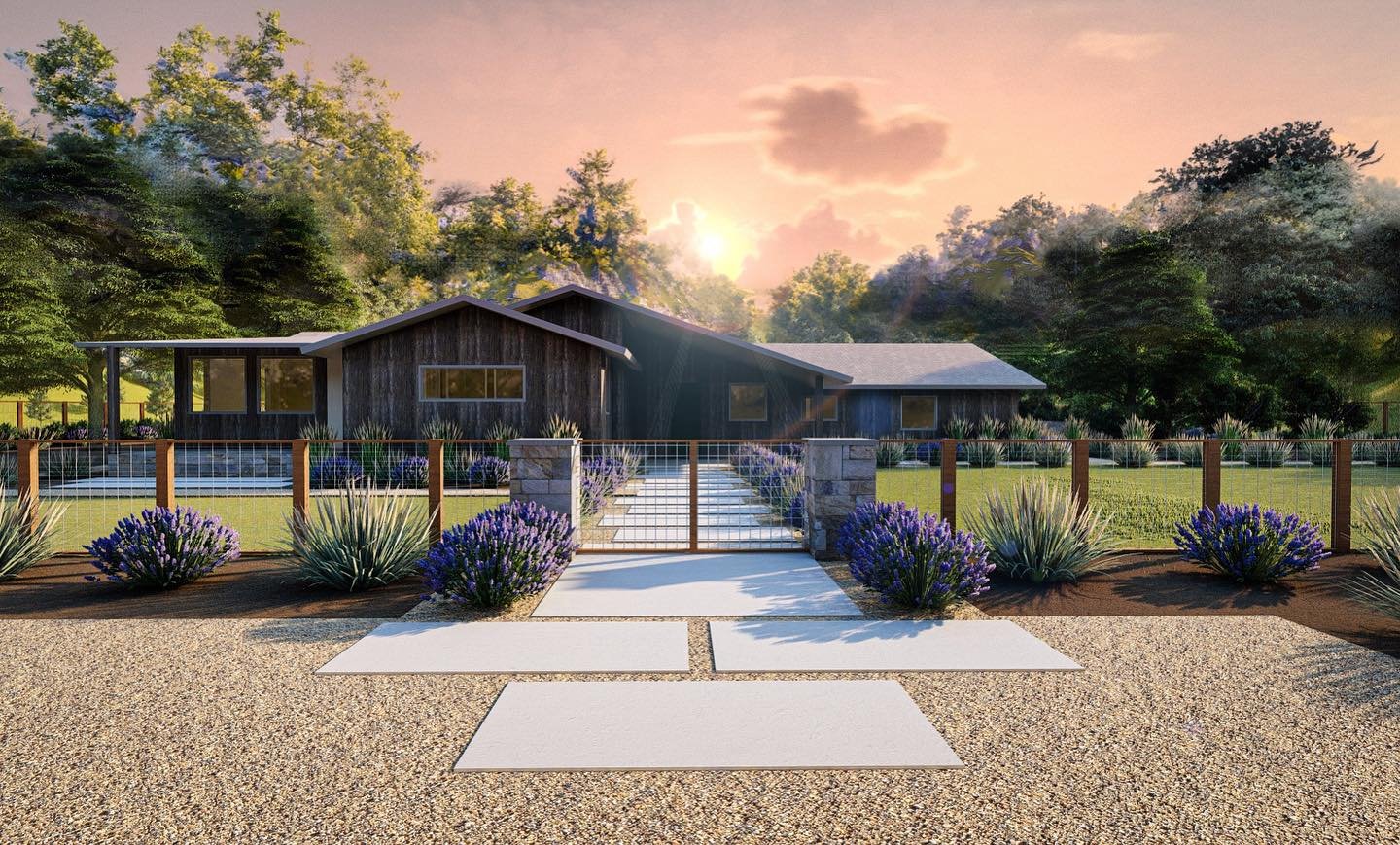
A design created in SketchUp and rendered in Lumion. 100% human-crafted in design software and designed to tell the story!
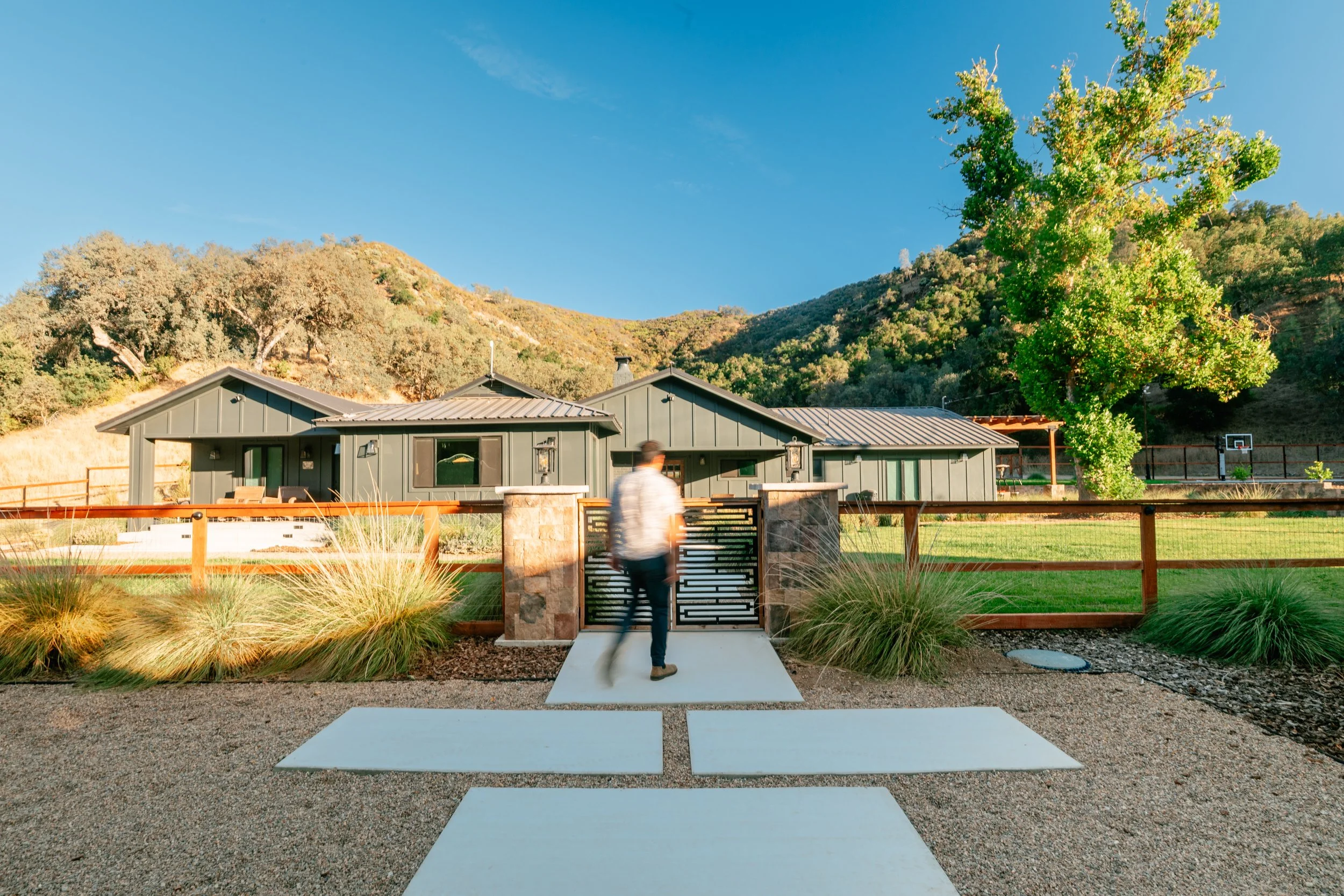
The final product. We revised the plantings to meet the site's water and maintenance needs. The fencing design was altered with feedback and discussions with the client. The result? A stunning landscape that fits their needs and the site perfectly!
AI Can Generate Ideas. Designers Create Solutions.
One of the most exciting things about AI is its ability to make design inspiration more accessible.
Homeowners can explore styles, experiment with concepts and begin visualizing possibilities for their outdoor spaces before ever meeting with a designer. We see this as an opportunity.
When clients arrive with AI-generated inspiration, it can open up meaningful conversations about what they're drawn to, how they want a space to feel and what they hope to accomplish.
But inspiration and implementation are two very different things.
An AI-generated image might show a beautiful courtyard with mature olive trees, expansive stonework and lush plantings. What it doesn't necessarily account for is whether those trees will thrive in that location, how the hardscape will drain, whether the proposed materials fit the budget or how the space will function five, 10 or 20 years from now.
That's where the experience of a landscape designer becomes essential.
Our role is to take inspiration and translate it into something real. To balance creativity with horticultural knowledge, site conditions, construction methods, material selection, budget and long-term maintenance.
AI can help us imagine what a space could look like. Thoughtful design determines what that space can become.
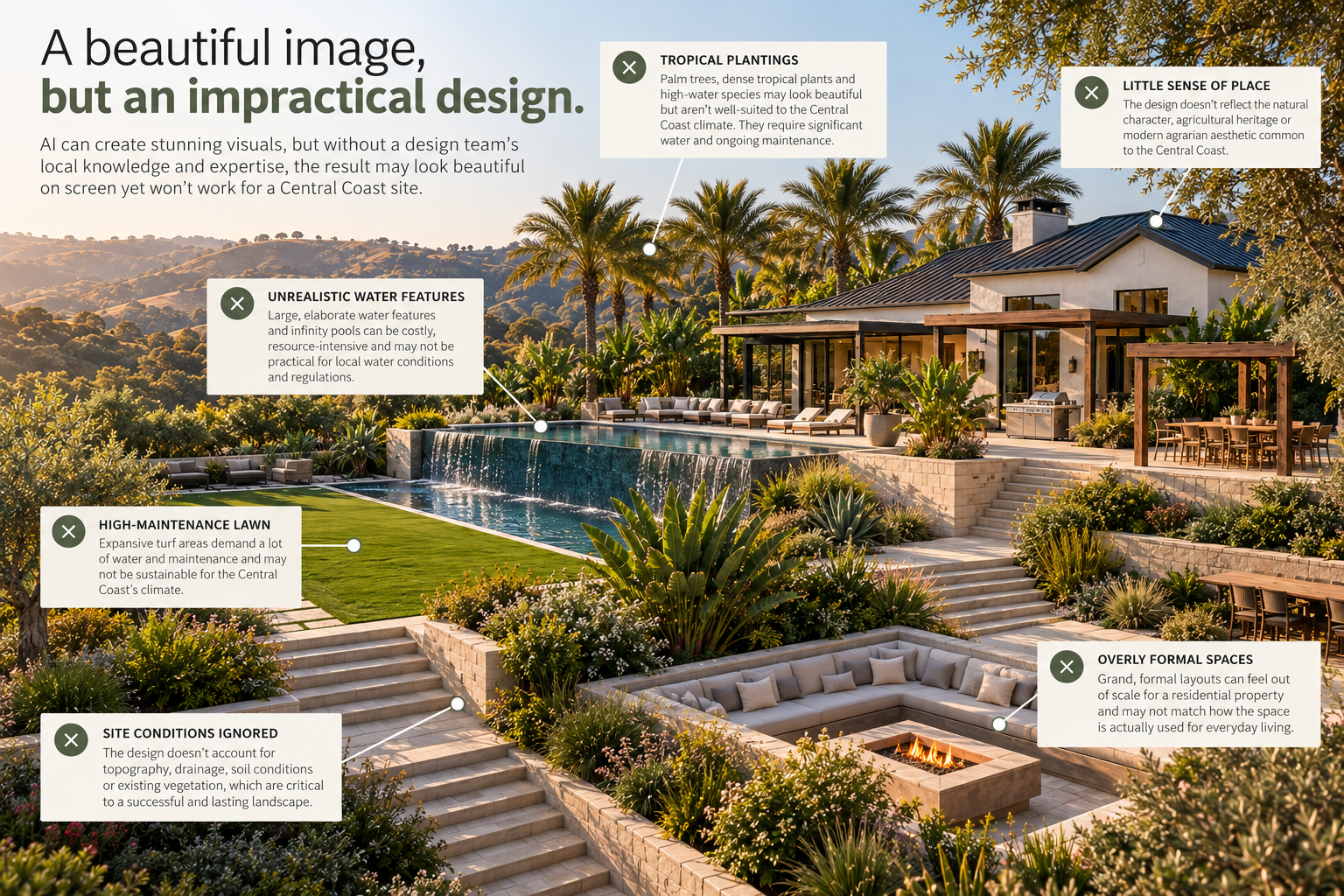
An AI-generated landscape image to illustrate the ideas in this journal entry.
The Value of Human Creativity and Connection
Landscape design is deeply personal.
It's about understanding how someone wants to experience their home and the land around it. It's about the morning coffee in a quiet courtyard, the gathering space for family and friends, the garden that evolves with the seasons or the peaceful connection between indoor and outdoor living.
These details aren't always captured in a prompt.
Often, the most meaningful design discoveries happen through conversation. A client may begin with a particular aesthetic in mind, but through the design process, we uncover something deeper: a desire for privacy, a connection to nature, a more functional gathering space or a landscape that reflects the character of the surrounding environment.
As designers, our responsibility is to listen, interpret, question and creatively solve problems. Sometimes that means introducing an idea a client hadn't considered. Other times, it means knowing when to simplify.
This human exchange is what transforms a collection of ideas into a cohesive design.
And it's something we believe technology should support, not replace.
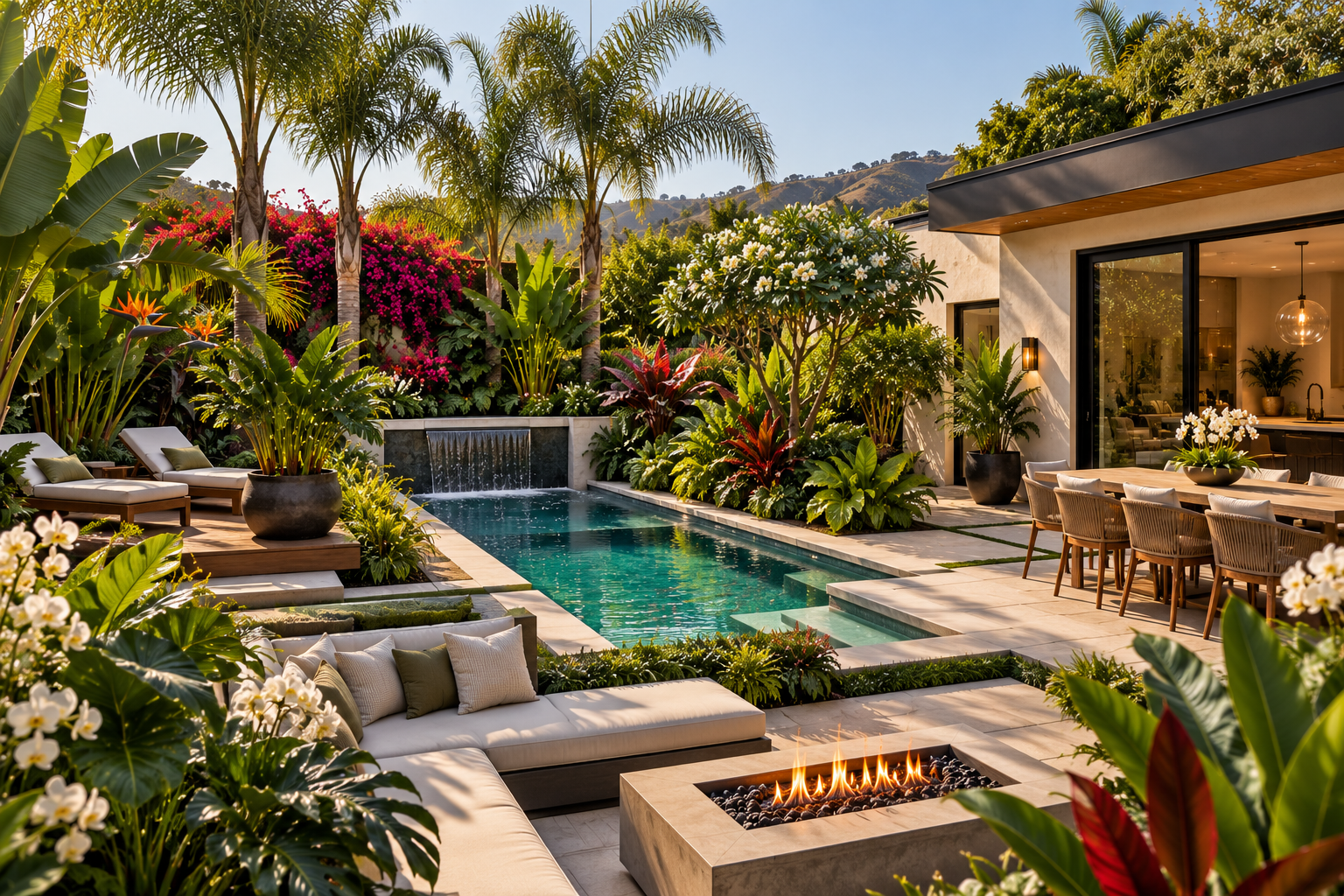
An AI-generated image of a lush, modern pool escape for San Luis Obispo. Realistic? Not exactly. We look at this as a starting point for your ideas, but this landscape is high water, high maintenance, with plantings that will not thrive in our climate, and unfortunately a design that is not to scale. This is where our expertise and design team come in!
Where Technology Meets Craftsmanship
At Contexto, we work at the intersection of design and build. That relationship gives us a unique perspective on the creative process. We understand that a beautiful concept is only the beginning.
Every line on a plan eventually becomes a physical element in the landscape. A retaining wall needs to be engineered and constructed. A planting palette needs to respond to its environment. A pathway needs to feel comfortable and intuitive. Materials need to work together, not just visually but structurally and practically.
The success of a landscape depends on the connection between creative vision and thoughtful execution.
AI can support parts of that process, helping us explore concepts, communicate ideas and consider new possibilities. But it doesn't eliminate the need for technical expertise, collaboration or the skilled hands that bring a design to life. In fact, we believe the more technology evolves, the more valuable those human skills become.
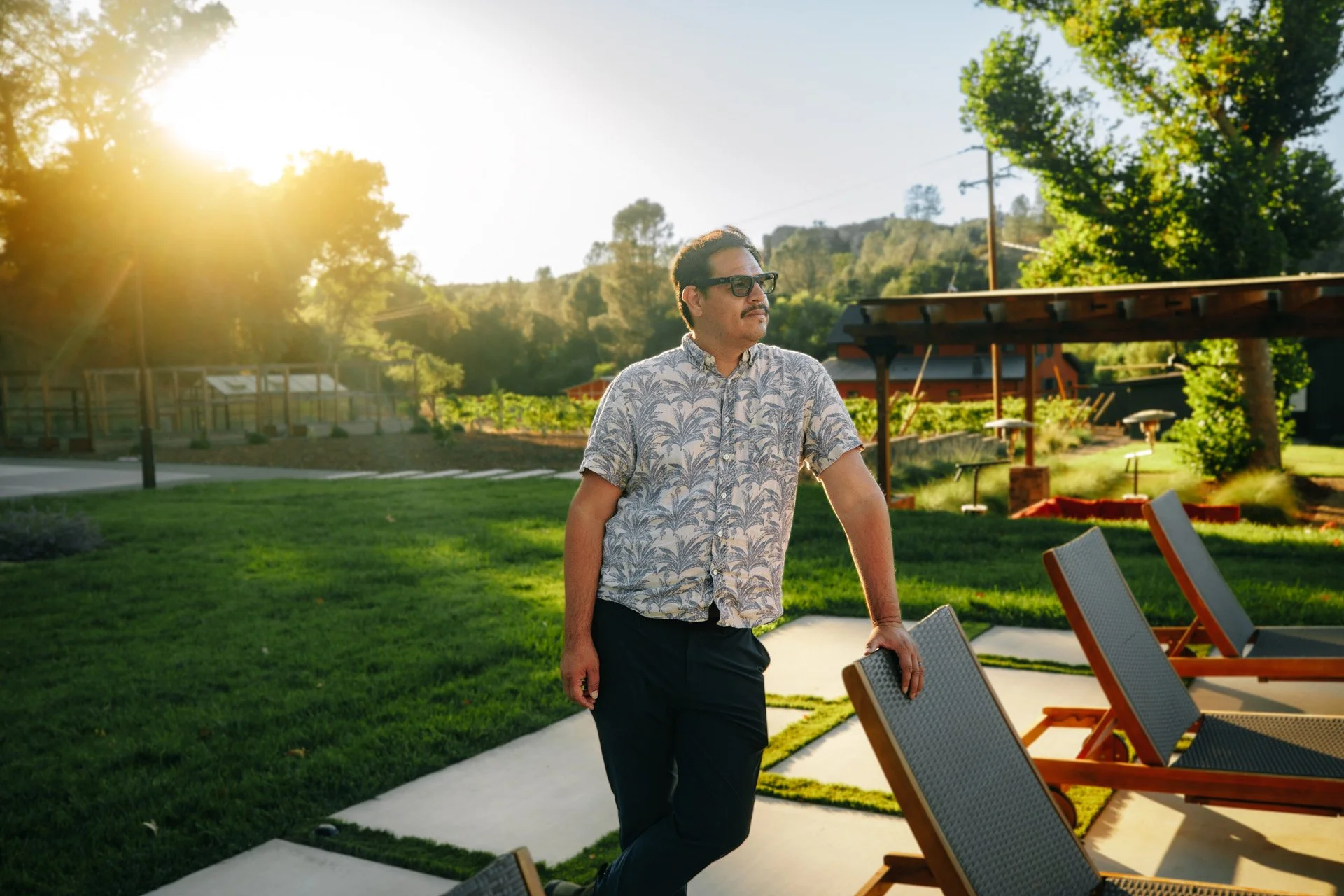
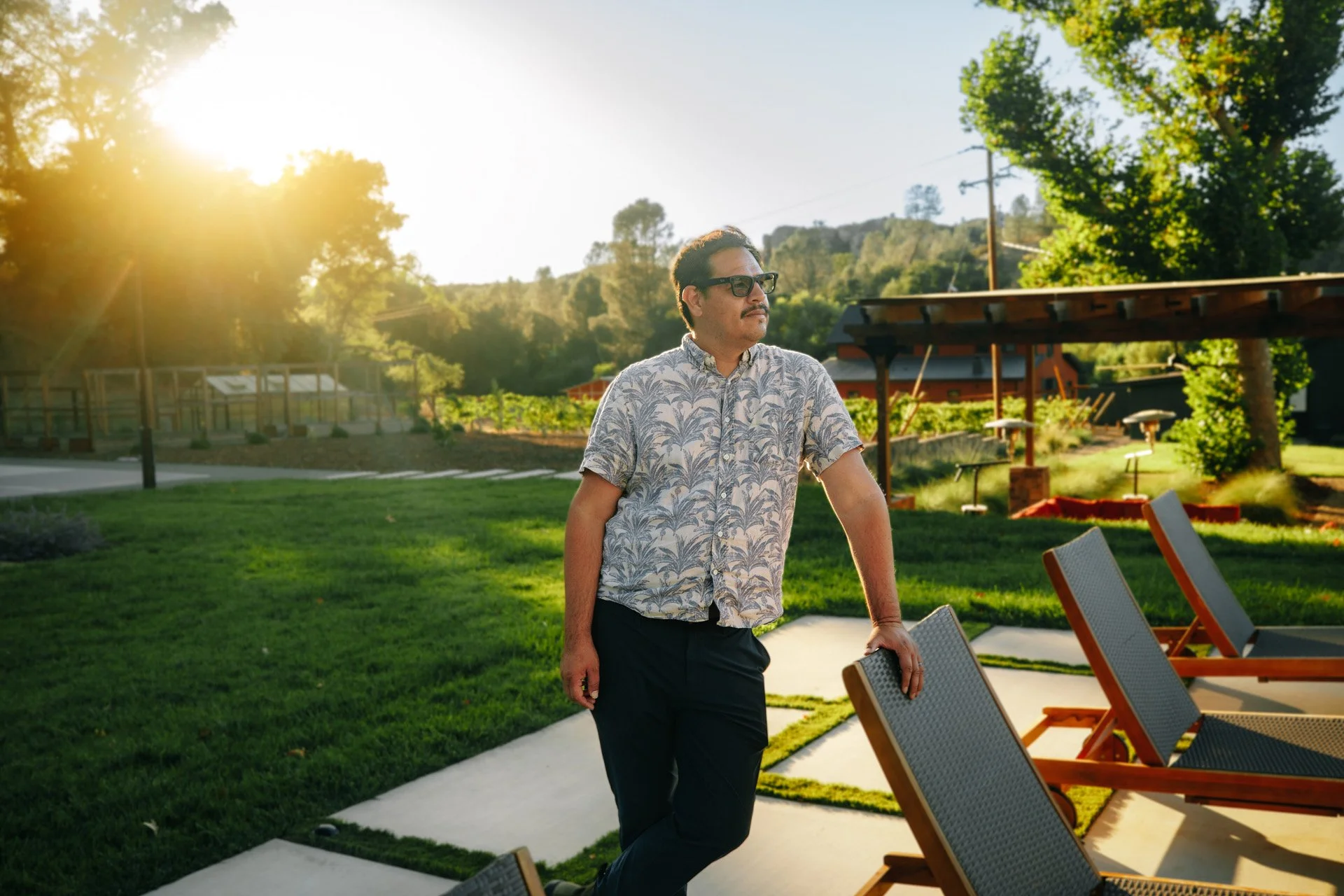
The design team you will be working with! Principal Designer and Owner: Enrique. Enrique has an extensive design background, beginning with his degree in Landscape Architecture from Cal Poly and his work experience with a variety of firms in the Bay Area and along the California Central Coast. He has seen design tools evolve and sees AI as an opportunity to help you realize your dream landscape.

Our landscape designer, Summer, graduated from Cal Poly’s Landscape Architecture program. Her expertise in design, planting, and material specifications turns your vision into a feasible, functional reality. This team brings the essential human touch and conversation to the design process. Embracing the evolution of AI while also advocating for the human-centered touch of design as a vital layer of this process.
Embracing What's Next Without Losing What Matters
Design has always evolved alongside technology. New tools change how we communicate ideas, test possibilities and bring projects to life. AI is another chapter in that evolution, and we're interested in how it can make the creative process more collaborative, efficient and accessible.
We're not afraid of what AI brings to landscape design because we understand what makes our work meaningful. It's not simply the ability to create a beautiful image. It's the ability to recognize potential in a challenging site. To understand the relationship between architecture and landscape. To balance a client's vision with the realities of the land. To make thoughtful decisions that create lasting value.
And perhaps most importantly, it's the ability to create spaces that people genuinely connect with.
We don't believe the future of landscape design is a choice between technology and human creativity. We believe the most exciting possibilities happen when the two work together.
AI may change the tools we use, but it doesn't change why we design. We design to connect people with place, to create beauty with purpose and to shape landscapes that feel as though they've always belonged. That's the kind of design we believe in. That's why AI doesn't scare us.