
Understanding Zone 0 and New Wildfire Regulations in SLO County
This summer marks a significant shift in how we approach landscape design here in San Luis Obispo County. New wildfire defense regulations are rolling out across California, and with the City’s recent adoption of updated Fire Hazard Severity Zones, many local properties are now subject to new standards for vegetation management and home protection.
At Contexto, we see this as an important moment, not just for compliance, but for rethinking how landscapes can actively protect the homes and communities they surround.

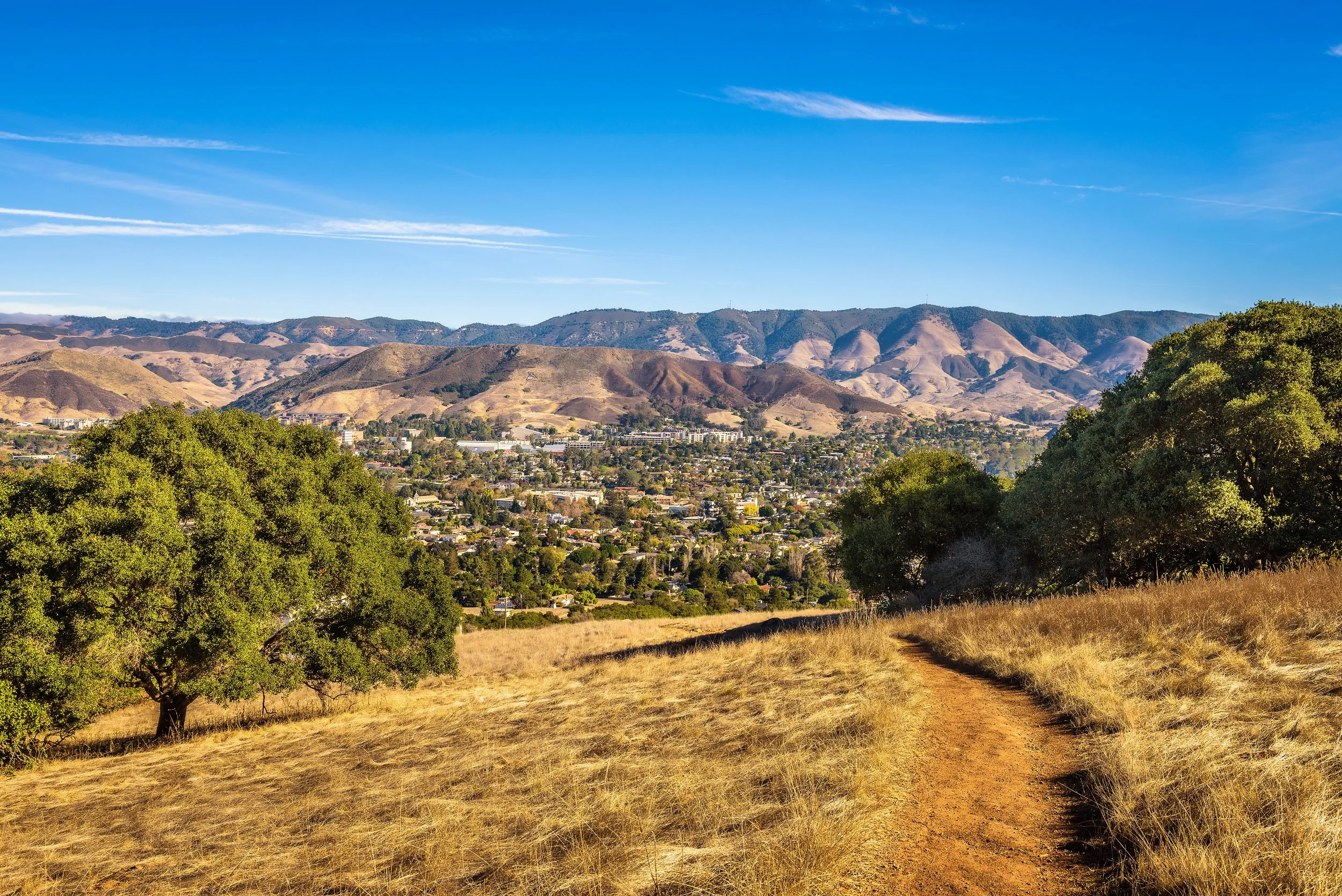
Beautiful San Luis Obispo County at sunrise.
Updated Fire Hazard Severity Zones
The revised fire hazard maps classify more properties as being in Moderate, High, or Very High Fire Hazard Severity Zones. These designations determine the level of wildfire protection measures required on a site. For homeowners, developers, and designers alike, this means that landscape planning is no longer just about aesthetics and ecology; it is also about strategic fire defense.
Understanding your property’s designation is now a critical first step in the design process.
Defensible Space: A Tiered Approach
California’s defensible space requirements focus on managing vegetation and reducing fuel loads within 100 feet of structures. The goal is to slow or stop fire spread and reduce radiant heat exposure to buildings.
This tiered system emphasizes:
Thoughtful plant spacing.
Removal of dead or highly combustible material.
Ongoing maintenance.
Strategic placement of trees, shrubs, and ground covers.
Landscape plans must now reflect these layered protection strategies, integrating fire resistance into every planting and material decision.
Zone 0: The Ember-Resistant Zone (0-5 Feet)
Perhaps the most impactful development is the increased emphasis on Zone 0, the area within five feet of a structure. Research shows that wind-driven embers are the primary cause of home ignition during wildfires. This immediate perimeter is therefore considered critical.
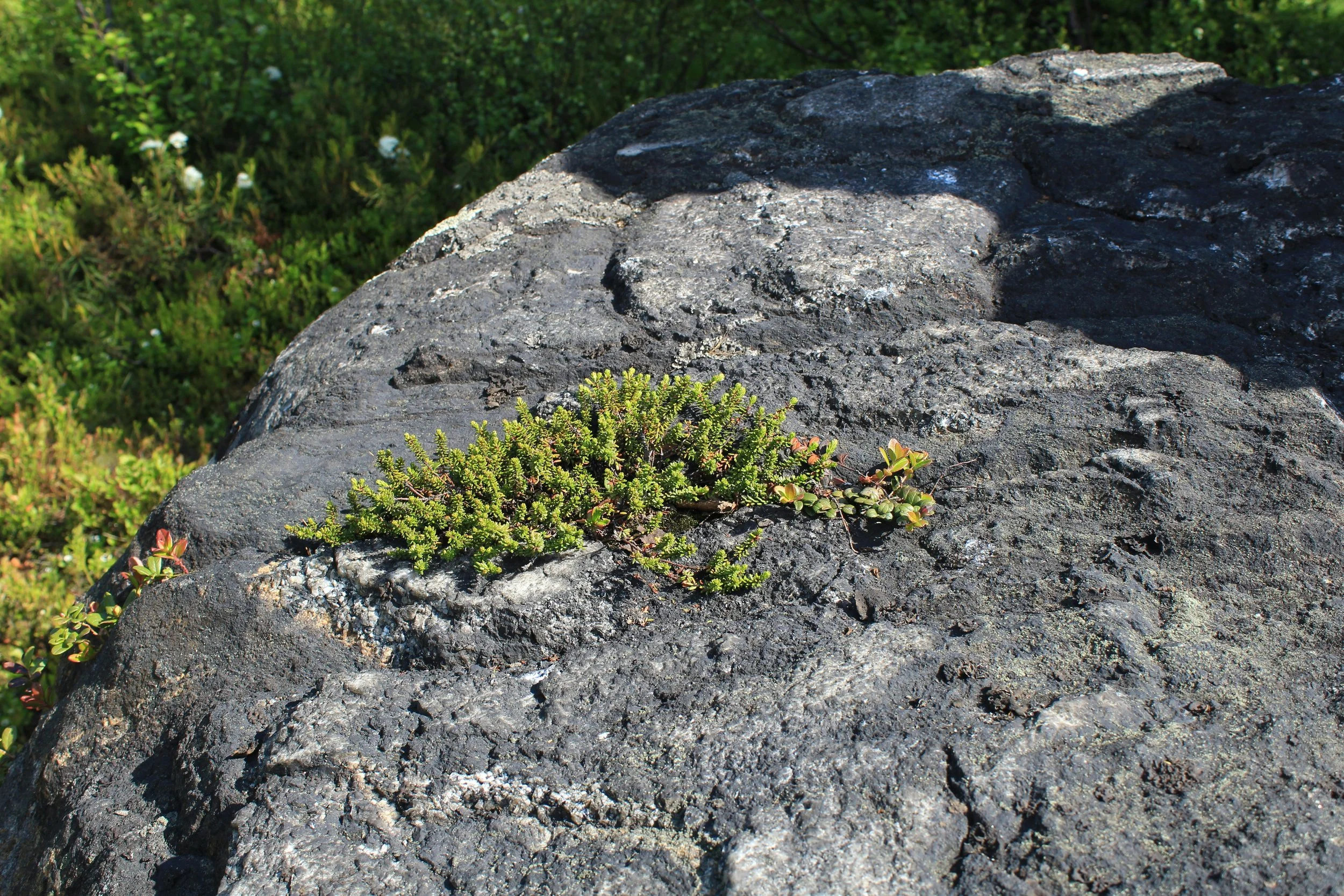
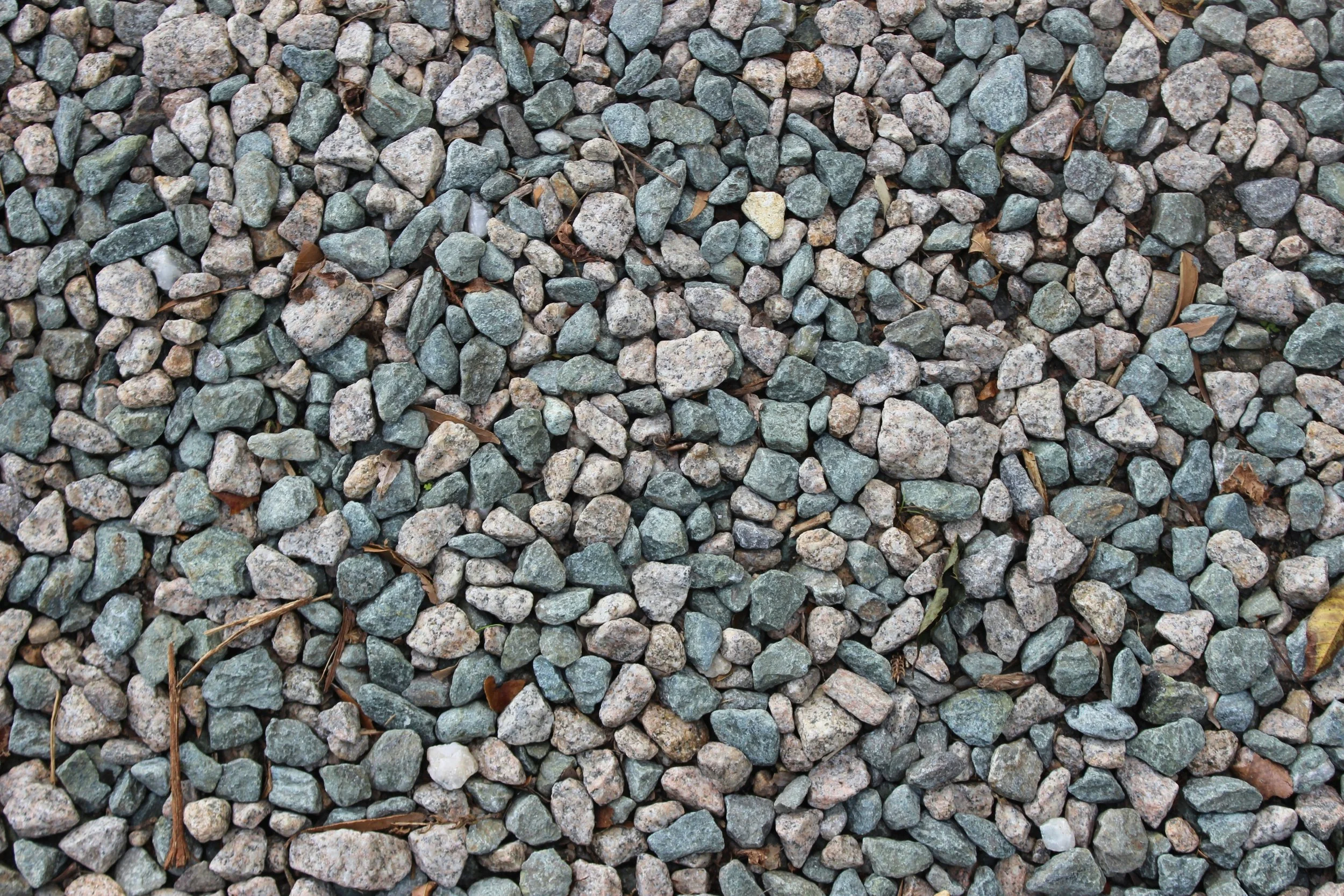


Best practices for Zone 0 include:
Non-combustible surfaces such as gravel, stone, or concrete
Eliminating combustible mulch and dense plantings
Careful selection and placement of low-risk plant material
Avoiding materials that can trap debris or embers
While some Zone 0 requirements are currently recommendations, they are expected to become more formalized in city or state code. Designing with these standards in mind now ensures long-term resilience and compliance.
What This Means for Landscape Design
Small but strategic changes, reducing mulch depth, incorporating non-combustible buffers, selecting fire-resistant plants, and creating stronger transitions between hardscape and planting areas, can dramatically increase fire safety.
These regulations do not mean sacrificing beauty. Instead, they call for more intentional design.
At Contexto, our approach balances code compliance, ecological sensitivity, and refined aesthetics. We specialize in fire-resilient landscape strategies that are tailored to each property’s microclimate, topography, and architectural context.
Our services include:
Tailored Landscape Palettes — curated plant selections that are fire-resilient, climate-appropriate, and visually cohesive
Design Guidance and Implementation Support — from conceptual planning to installation recommendations
Compliance-Focused Planning — ensuring landscapes are defensible, aligned with current and emerging codes, and supportive of long-term property value
Whether updating an existing garden or designing a new build, we are prepared to help our clients navigate these changes with clarity and confidence.
Wildfire resilience is no longer an optional layer of design; it is foundational. Our commitment is to create landscapes that are not only safe and code-aligned, but enduring, ecological, and deeply beautiful.